
Cart is empty
Comprehensive Guide on Cement Screed Flooring in Singapore
23 Sep 2026
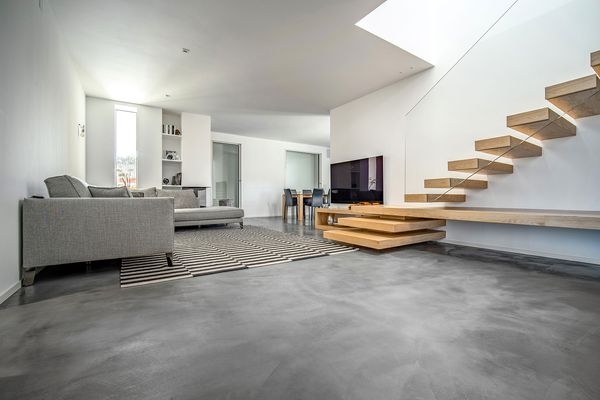
Cement Screed Flooring Singapore: Everything Homeowners Need to Know Before Renovation
When planning a home renovation, flooring is one of the biggest decisions homeowners need to make. A good flooring system does not only affect the appearance of your home, but also the durability, comfort, and long-term maintenance.
One important flooring preparation method that many homeowners may not be familiar with is cement screed flooring.
Cement screed is commonly used as a base layer before installing finishing materials such as vinyl flooring, tiles, wood flooring, carpet, and other floor finishes. It helps create a smoother and more level surface, ensuring better results for the final flooring installation.
For homeowners in Singapore, especially those renovating HDB flats, understanding cement screed can help you make better decisions during your renovation process.
What Is Cement Screed Flooring?
Cement screed flooring is a mixture mainly made from:
- Cement
- Sharp sand
- Water
- Optional additives or aggregates
The cement acts as the bonding material, while sharp sand provides strength and texture to the mixture.
Unlike concrete, cement screed is usually applied as a thinner finishing layer on top of an existing concrete floor. It is not designed as a structural foundation, but instead works as a smooth and level surface for flooring installation.
Because of its smooth finish, cement screed is widely used in both residential and commercial projects.
Why Is Cement Screed Important for Flooring?
Many homeowners assume that flooring can be installed directly onto any existing floor surface. However, uneven floors can create problems after installation.
A proper cement screed layer helps to:
Create a Level Surface
A flat and even floor is important, especially when installing:
- Vinyl flooring
- SPC flooring
- LVT flooring
- Timber flooring
- Tiles
An uneven base may cause issues such as gaps, movement, or uneven appearance.
Improve Flooring Installation Quality
A properly prepared screed surface allows flooring materials to sit more securely.
For example, vinyl flooring requires a smooth and stable base. Any existing bumps, cracks, or uneven areas may affect the final result.
Provide a Better Final Appearance
A level floor helps ensure the finished flooring looks cleaner and more professional.
This is especially important for modern homes where seamless and minimalist designs are popular.
What Is Cement Screed Made Of?
The typical cement screed mixture consists of:
Cement
Cement works as the main binder that holds the mixture together.
Sharp Sand
Sharp sand provides strength and helps create the correct texture for the screed mixture.
Additives (Optional)
Some screed systems may include additional materials to improve:
- Strength
- Flexibility
- Drying speed
- Performance
Depending on the application, different screed formulations may be used.
Advantages of Cement Screed Flooring
1. Creates a Smooth and Even Floor Base
One of the biggest benefits of cement screed is its ability to create a flat surface.
This makes it suitable as a preparation layer before installing other flooring finishes.
2. Suitable for Different Flooring Types
Cement screed can be used as a base for:
- Vinyl flooring
- SPC flooring
- Tiles
- Timber flooring
- Carpet
- Resin flooring
This makes it a flexible solution for different renovation styles.
3. Durable and Long-Lasting
When installed correctly, cement screed provides a strong and stable floor base that can last for many years.
Proper installation is important to prevent problems such as cracking or surface damage.
4. Cost-Effective Flooring Preparation
Compared with replacing an entire floor structure, cement screed provides a practical way to improve the condition of an existing floor.
It is commonly used during renovation because it balances performance and cost.
5. Suitable for Modern Minimalist Designs
Cement screed can also be used as a visible finished surface.
Its smooth and seamless appearance matches popular interior styles such as:
- Minimalist
- Industrial
- Contemporary
- Modern luxury
Disadvantages of Cement Screed
Although cement screed provides many benefits, homeowners should also understand its limitations.
1. Requires Proper Installation
Incorrect mixing or installation may result in:
- Cracks
- Uneven surfaces
- Weak areas
- Surface deterioration
Professional installation is recommended to achieve better results.
2. Not Naturally Waterproof
Cement screed itself is not a waterproofing system.
For wet areas such as bathrooms, additional waterproofing measures may be required depending on the application.
3. Requires Drying Time
Before installing the final flooring material, cement screed needs sufficient curing and drying time.
Installing flooring too early may affect the performance of the final floor.
Types of Cement Screed
1. Bonded Screed
Bonded screed is directly attached to the concrete base using bonding materials.
It provides a strong connection between the screed and the existing floor.
Suitable for areas where stronger adhesion is required.
2. Unbonded Screed
Unbonded screed is separated from the base floor using a layer between the screed and concrete.
This allows some movement and helps reduce stress transfer.
3. Floating Screed
Floating screed is installed above insulation layers.
It is commonly used where sound insulation or thermal insulation is required.

Where Is Cement Screed Used?
HDB Renovation
In Singapore HDB renovation projects, cement screed is commonly used when preparing floors before installing new flooring.
Examples:
- Existing uneven concrete floors
- Old tile removal
- Preparation for vinyl flooring installation
Residential Homes
Cement screed is suitable for:
- Living rooms
- Bedrooms
- Kitchens
- Common areas
It provides a clean and smooth base for different flooring finishes.
Commercial Spaces
For commercial areas such as offices, shops, and warehouses, cement screed can provide a durable flooring foundation suitable for higher usage.
Cement Screed Installation Process
A typical cement screed installation involves several steps:
1. Floor Preparation
The existing surface is cleaned and checked.
Dust, debris, oil, and loose materials must be removed before installation.
2. Mixing the Screed
Cement and sand are mixed according to the required ratio.
The correct mixture ensures proper strength and performance.
3. Applying the Screed
The screed mixture is spread across the floor area.
The surface is carefully adjusted to achieve the required level.
4. Levelling the Floor
The screed is smoothed and levelled to create an even surface.
This step is important for the installation of the final flooring material.
5. Curing and Drying
The screed needs sufficient time to strengthen and dry before further flooring installation.
The actual drying time depends on factors such as:
- Thickness
- Environment
- Moisture level
- Weather conditions
Do You Need Cement Screed Before Installing Vinyl Flooring?
For many renovation projects, cement screed is recommended when the existing floor is uneven or unsuitable for direct installation.
Vinyl flooring requires a smooth and stable surface. Any unevenness underneath may become visible after installation.
A properly prepared floor base helps achieve:
- Better appearance
- Improved durability
- More comfortable walking experience
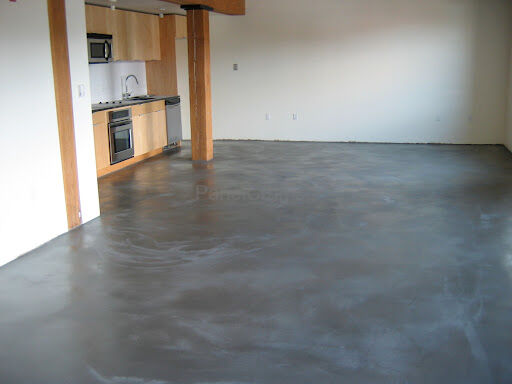
Cement Screed vs Self-Levelling Compound
Both cement screed and self-levelling compounds are used for floor preparation, but they serve different purposes.
Cement Screed
Suitable for:
- Building up floor height
- Creating a stronger base layer
- Correcting larger uneven areas
Self-Levelling Compound
Suitable for:
- Fine surface correction
- Creating an extremely smooth finish
- Preparing floors before vinyl installation
In some projects, both methods may be used together depending on the condition of the existing floor.
Conclusion: Is Cement Screed Necessary for Your Renovation?
Cement screed is an important part of many flooring renovation projects.
It helps create a smooth, level, and stable surface that improves the final flooring result. Whether you are installing vinyl flooring, tiles, timber flooring, or other finishes, proper floor preparation can make a significant difference.
For homeowners planning a renovation in Singapore, understanding cement screed allows you to make better decisions and avoid future flooring problems.
A good floor starts with a good foundation.


